Originally posted on LinkedIn
User-centered design… but sometimes users talk a lot of 💩 (or don’t actually know what they need)
For any project you need user feedback — yes. But it can’t be the law.
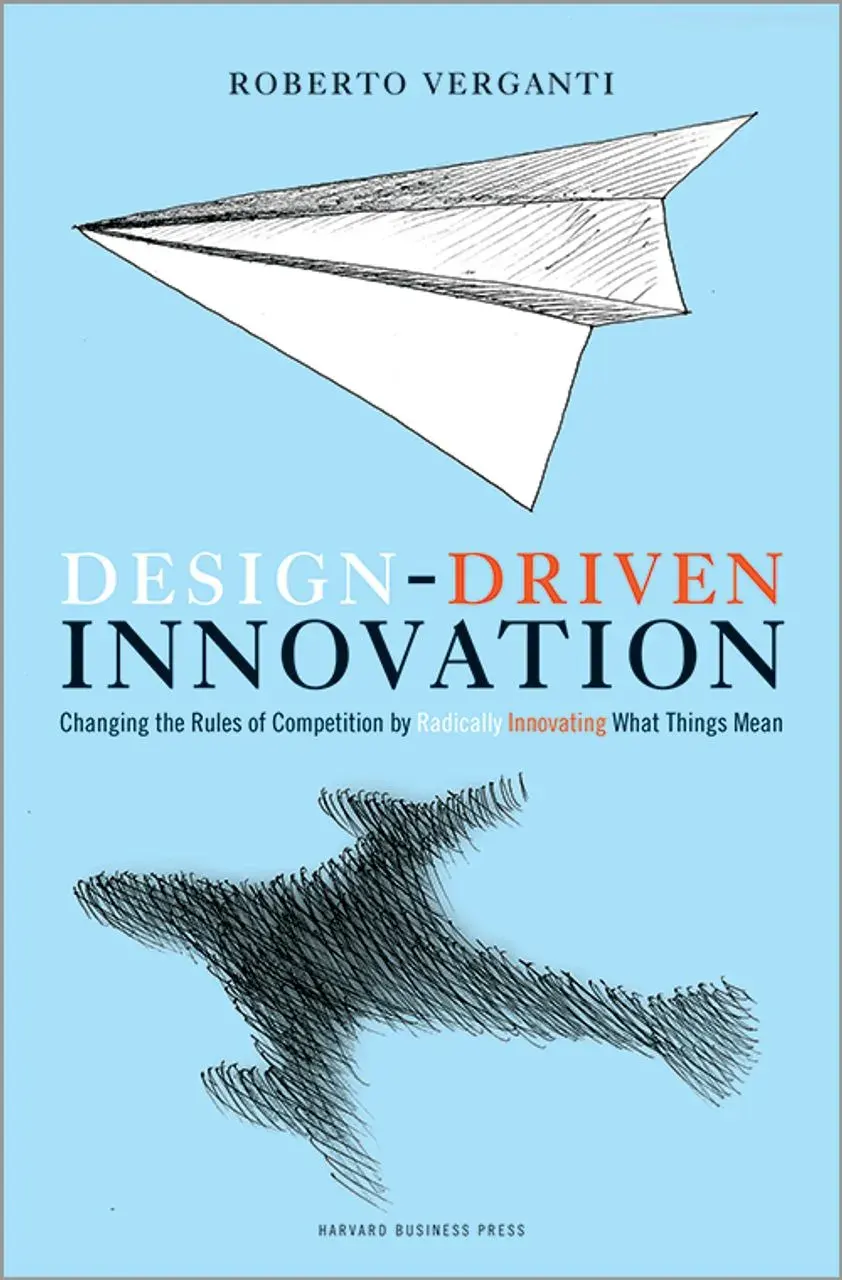
My wife is reading an excellent book (Design Driven Innovation) that talks about how design can start not from users directly, but from “interpreters.”
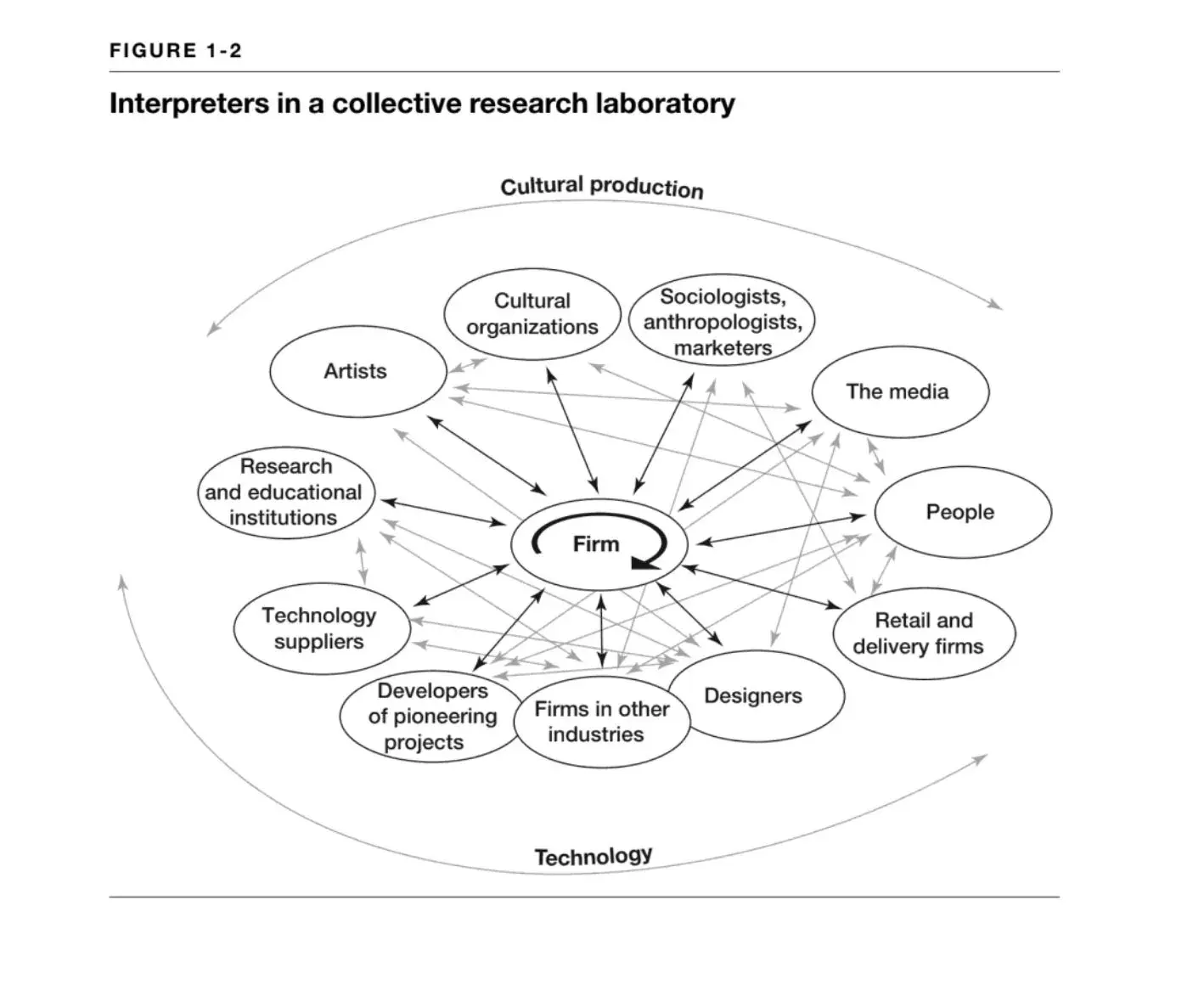
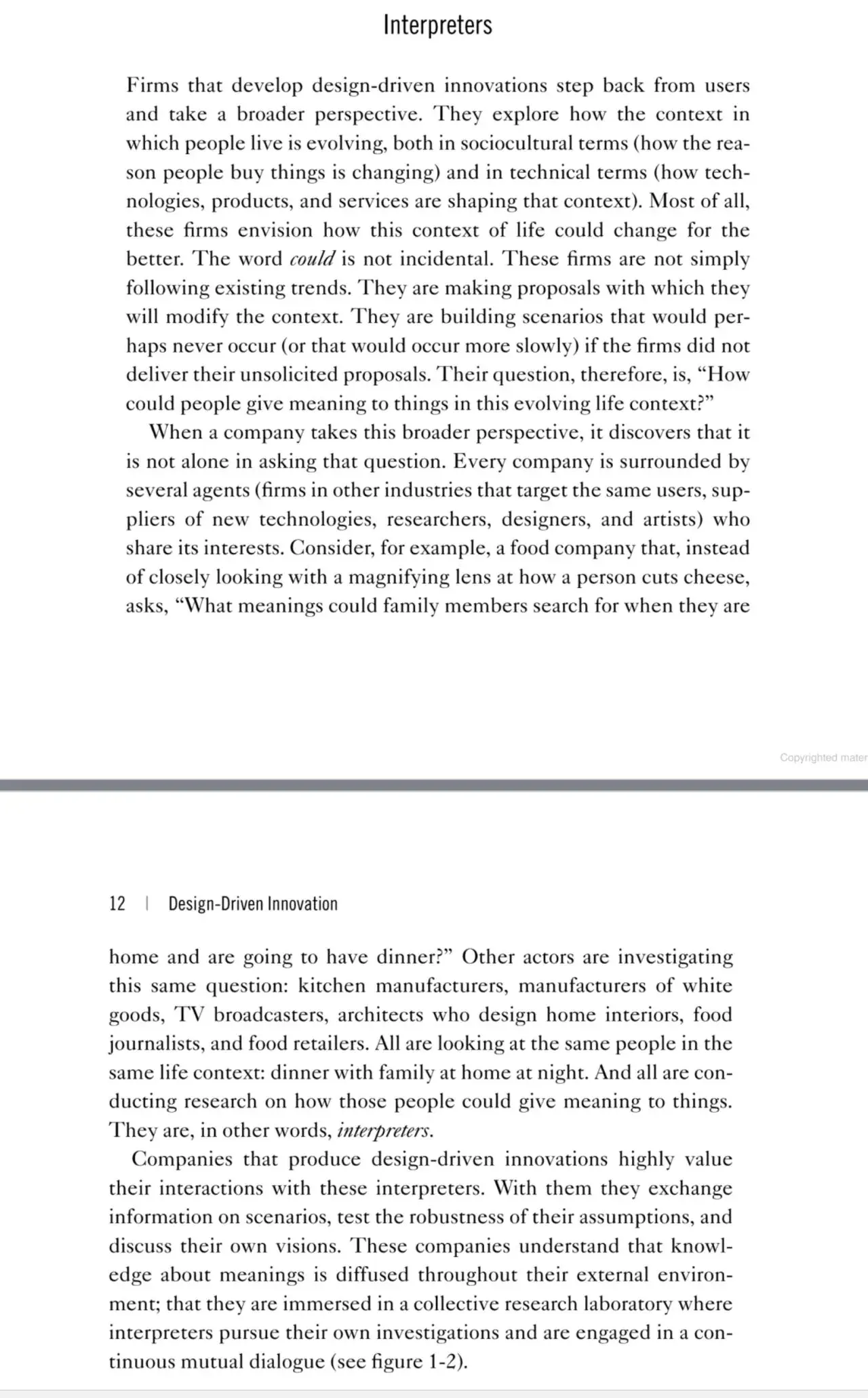
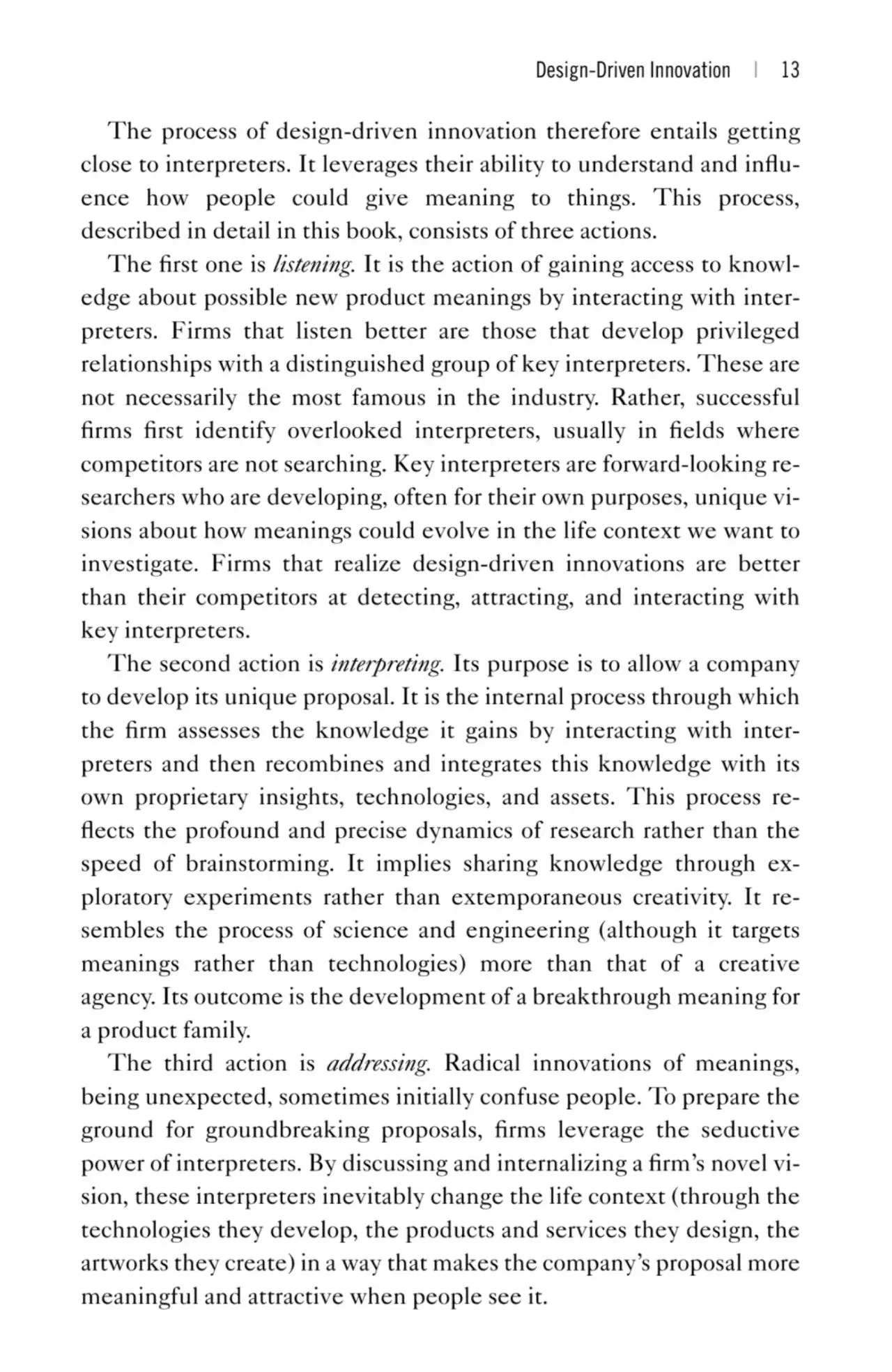
An “interpreter” is someone who already actively observes the problem and the user. In education, for example, it could be a teacher, a principal, a school owner (and a student too), an EdTech entrepreneur.
All of them are looking at the same problems and users through different lenses. And their combined insights are far more valuable than treating users as the gospel truth.
Clichéd example: If you asked someone in 1890 how to improve their mode of transportation, they’d ask for a faster horse 🐎. But if you talked to industrialists, scientists working on combustion and steam engines, machinists… maybe you’d come up with the idea for a car 🚗.
I feel like, without realizing it, that’s what I did when I talked to ~107 education experts. What do you all think — in which cases does it make sense, and in which doesn’t it? Is the user always right?